
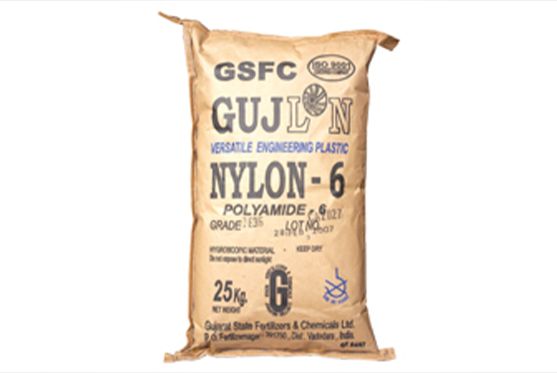
Nylon 6, also known as polyamide 6 (PA-6), is a widely used engineering thermoplastic known for its toughness, abrasion resistance, and mechanical strength.
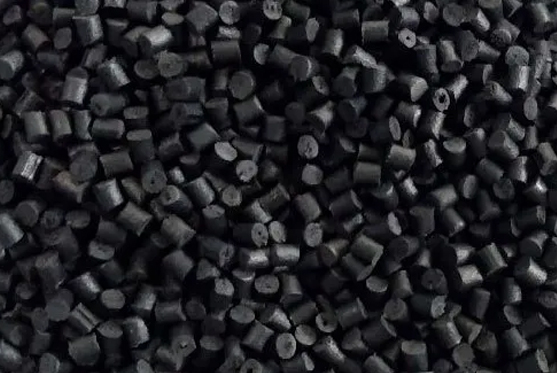
Nylon 66 is a type of polyamide or nylon. It, and nylon 6, are the two most common for textile and plastic industries. Nylon 66 is made of two monomers each containing six carbon atoms, hexamethylenediamine and adipic acid, which give nylon 66 its name.
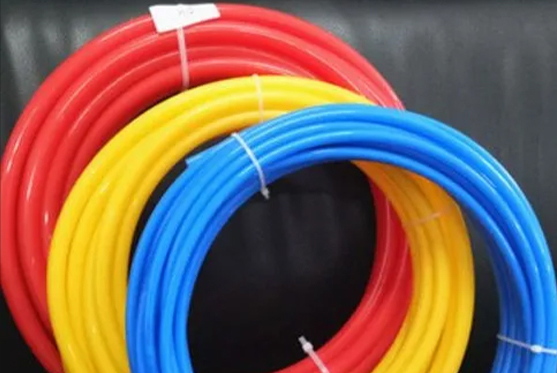
Nylon 12 is a nylon polymer with the formula [(CH2)11C(O)NH]n. It is made from ω-aminolauric acid or laurolactam monomers that each have 12 carbons, hence the name ‘Nylon 12’. It is one of several nylon polymers.
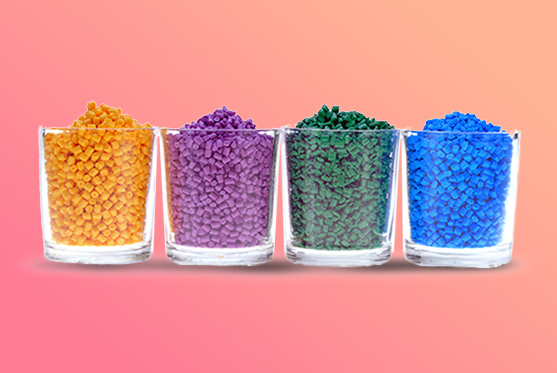
Polypropylene (PP) compounds are thermoplastic resins produced using a mixture of one or more base polyolefins with various components. These components include impact modifiers, fillers, strengtheners (e.g. mineral fillers and glass fiber), pigments, and additives. PP compounds are lightweight, durable, low cost, and recyclable, making them an ideal replacement for heavy metal parts used in trims, spoilers, panels, etc.
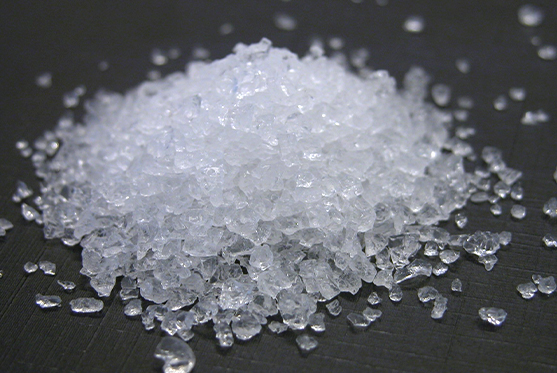
Styrene acrylonitrile resin (SAN) is a copolymer plastic consisting of styrene and acrylonitrile. It is widely used in place of polystyrene owing to its greater thermal resistance. The chains of between 70 and 80% by weight styrene and 20 to 30% acrylonitrile.
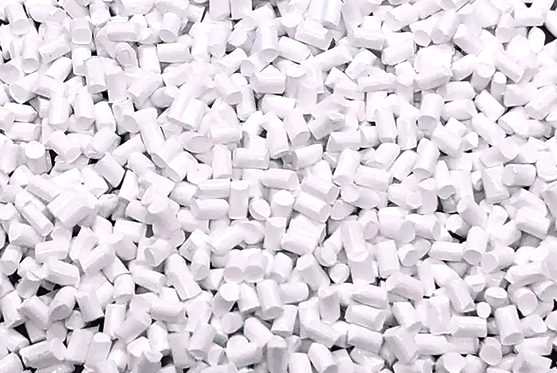
Acrylonitrile butadiene styrene is a common thermoplastic polymer. Its glass transition temperature is approximately 105 °C. ABS is amorphous and therefore has no true melting point.
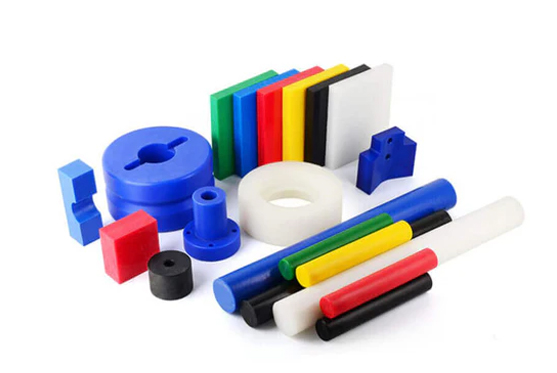
Polyoxymethylene, also known as acetal, polyacetal, and polyformaldehyde, is an engineering thermoplastic used in precision parts requiring high stiffness, low friction, and excellent dimensional stability. Short-chained POM is also better known as paraformaldehyde.
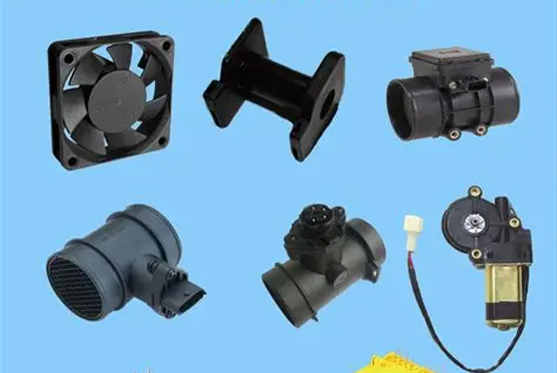
Polybutylene terephthalate (PBT) is a thermoplastic engineering polymer that is used as an insulator in the electrical and electronics industries. [2] It is a thermoplastic (semi-)crystalline polymer, and a type of polyester.